• Newer
  • Older
your-information-super-highway-thumbnail

Your information super highway

April 10, 2014 by Kika Gilbert

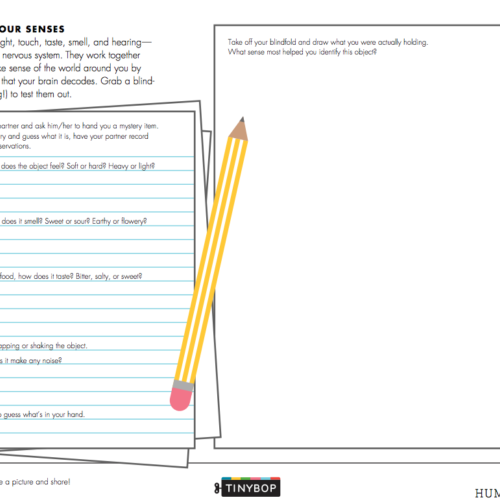
Seeing is believing, right? Well, actually, we rely on all of our senses to solve problems and figure out puzzles. As part of our nervous system, our senses of sight, touch, taste, smell, and hearing work together to send snippets of information to the brain at rapid speed. Each one informs the other so we get the whole picture.

Grab a partner and put your senses to the test with this activity designed to reveal how your brain decodes signals from all the senses.

Read more…
Tags:
  • Activity Sheets
  • The Human Body
100-years-of-childhood-thumbnail

100 Years of Childhood

February 21, 2014 by Tina Lee

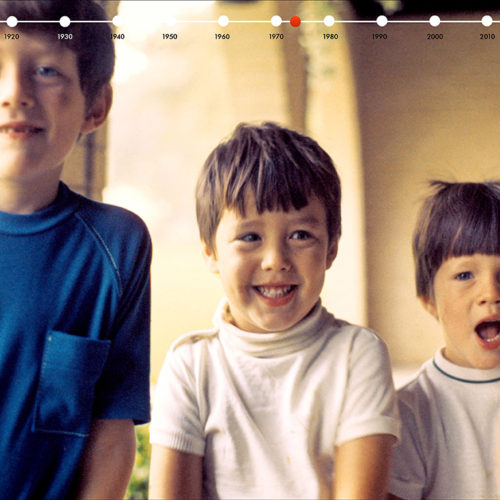
Raul spoke at the NYC CreativeMornings outpost, as part of a series on childhood. The video’s up for your viewing pleasure.

Through stories, photos, and the grainy charm of a Super-8 short, Raul examines how we can encourage more play and fewer rules. He traces 100 years of childhood, from his toddling grandparents’ (one toy, one book, infinite hours roaming outdoors) to his own sons’ (tablets that hold multitudes, apartment-bound adventures, schedules fit for a regiment).

Despite surface differences, universal curiosities and longings—for freedom and danger (within reason!); for slowness, the time to ask questions—exist and matter.

Read more…
Tags:
  • News
solve-one-mystery-of-the-heart-thumbnail

Solve one mystery of the heart

February 14, 2014 by Kika Gilbert

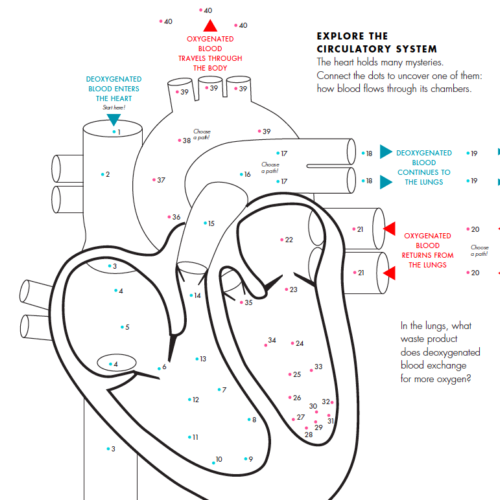
Our hearts are full of love (and blood!) this Valentine’s Day and we wanted to share another way to understand the ins-and-outs of the hardest working muscle in your body. Enjoy thinking about the science of your heart while your mind is occupied with warm and fuzzy thoughts this weekend.

Download this activity and see how blood flows through the heart and lungs to deliver nutrients to your whole body.

Read more…
Tags:
  • Activity Sheets
  • The Human Body
fold-crease-inflate-more-activities-for-the-human-body-thumbnail

Fold, Crease, Inflate: A New Activity for The Human Body

January 10, 2014 by Kika Gilbert

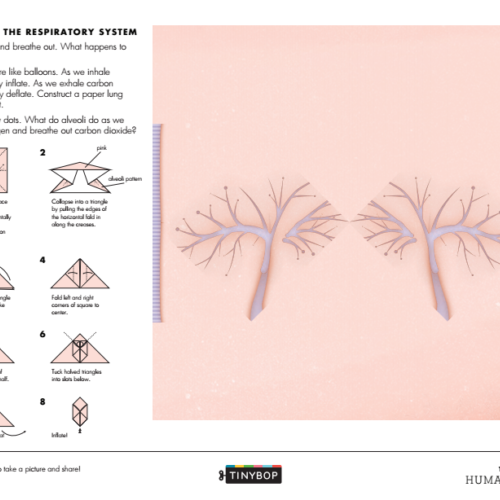
Here’s a whopper (no lie!) of a figure about the respiratory system: we breathe in and out, in and out, about 20,000 times a day.

Make a tiny model of an ever-active lung in our next activity (peek at past explorations of the digestive and skeletal systems). Just print, cut, fold, and puff – and prompt further questions on how our lungs and their little alveoli work.

Read more…
Tags:
  • Activity Sheets
  • The Human Body
tinybop-play-02

We received a KAPi Award!

January 7, 2014 by Kika Gilbert

We’re delighted to share that The Human Body has been awarded the 2014 KAPi for Best App for Older Children (5+). What an honor!

KAPi (Kids at Play Interactive) is an annual award granted by a panel of judges expert in interactive children’s media. The final picks are made based on a mix of design “innovation and excellence.” Past winners include some of our favorite toys and games, including Minecraft, Doodlecast, and Scratch. For the 2014 award, we’re proud to be included among great company.

When we set out to build The Human Body, we hoped the level of research, thinking, and care we poured into it would produce a fun, informative app for children and parents alike. Our thanks to KAPi and our amazing community of parents, educators, and kids for exploring The Human Body. We can’t wait to show you what’s next.

Read more…
creativemornings-nyc-thumbnail

CreativeMornings NYC

December 18, 2013 by Kika Gilbert

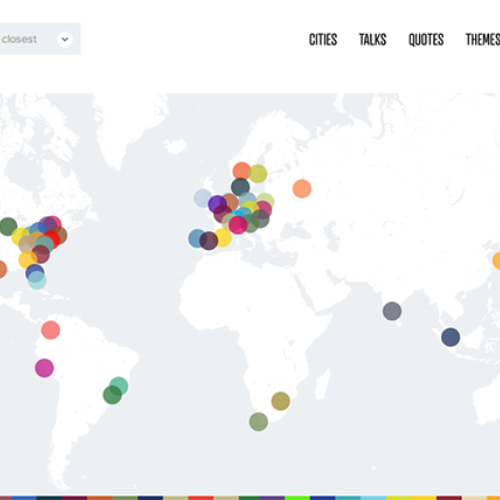
We’ve been longtime fans of CreativeMornings, a monthly breakfast and lecture series that began in Brooklyn in 2008. Local chapters have sprouted up all over the globe, hosting a range of sharp and fascinating speakers.

As you might gather, we’re very excited to announce that Raul, our founder and CEO, will speak at CreativeMornings NYC come January. The date hasn’t been set, but tickets go fast–they’re free! To stay in the loop and nab a seat, you can check the CreativeMornings NYC page (sign up for the mailing list to be the first to hear about tickets).

We hope to see you there!

UPDATE: new year, new slew of details! Raul’s talk is set for January 31st, 8:30 a.m., at the Galapagos Art Space. Sign-ups for free tickets open January 27th, 11:00 a.m.

Read more…
Tags:
  • News
young-explorers-jot-away-activities-for-the-human-body-thumbnail

Young Explorers, Jot Away: Activities for The Human Body

December 16, 2013 by Kika Gilbert

Over the past few months we’ve received countless emails about every giggle, question, and aha! moment kids have discovered while playing The Human Body.

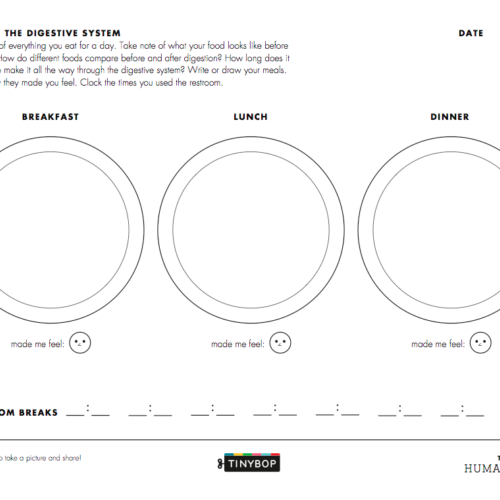
To stoke more of those questions and moments, we’re rolling out further explorations of the human body, system by system, to help your kids see anatomy in action with their own bodies. Up first are the skeletal and digestive systems. Help your child bend and (gently!) twist joints, sketch their meals, and examine the connection between the first bite of food and their next bathroom stop (yup, they can clock poops).

We’re sharing these in PDF form, so please feel free to print, share, and post your kids’ discoveries using the #tinybop hashtag. Eureka!

Read more…
Tags:
  • Activity Sheets
  • The Human Body
weekly-roundup-how-fast-is-your-nervous-system-thumbnail

Weekly Roundup: How Fast Is Your Nervous System?

October 22, 2013 by Kika Gilbert

So far, you’ve learned why your bones need to be strong and how your muscles keep your body moving. What else goes on in your body that keeps your brain humming? Loads, of course–starting with even more facts to explore about the nervous system. As you dive into the nervous system, these links, and our handbooks, we’d love to hear from you about what you’re learning: send us a tweet @tinybop or share a photo on Facebook.

  • Where do your dreams come from? How do your eyes remember to blink? There remain many unanswered questions about the brain.
  • How do your neurons generate electric pulses? DiscoveryKids helps answer our questions!
  • How do we know there are 100 billion neurons in the brain? Well, we don’t actually know for sure, but we’re close.
  • Neuroscience for Kids, a site created by a University of Washington professor, is a great resource for curious minds.
  • Although the eye is small, it is powerful at sensing light. The world record for seeing a far-away object is a distance of 1.6 km!
  • We all think we know how our nervous system looks, but these microscopic images reveal how amazing it really is.
  • Singing to Schoolhouse Rock! is always the most fun way to learn. Listen to “Telegraph Line,” about the nervous system.
Read more…
have-you-use-our-handbooks-thumbnail

Have you used our handbooks?

October 15, 2013 by Kika Gilbert

We’re gearing up to create a new handbook for our next app, and we’d love to hear your feedback on The Human Body Handbook.

Have you read it with your child? Did you share it among your students? Is there something else you’d like to learn? We want to help!

Here’s a short, 10-minute survey to give us a better understanding of how our handbooks are being used. If you leave your email, we’ll send you a special thank you for participating.

Read more…
Tags:
  • News
  • The Human Body
can-you-help-us-with-translation-thumbnail

Can you help us with translation?

October 8, 2013 by Kika Gilbert

We’re proud that our apps are available in 50 languages, as it means we can share our love of science and exploration all over the world. However, we still need your help to improve our translations, translate new vocabulary for future apps, and get our handbooks in shape for many more languages.

So far, we’ve received several offers from parents, teachers, and entire classrooms alike (one class even translated _The Human Body _ as a collaborative project!). The process is fast: we share a list of words (about 300) to be translated. Once we have the translated list, we use it in the next release of the app.

If you’d like to contribute your language and translation skills to the Tinybop community, please email us at support@tinybop.com.

Read more…
Tags:
  • Parents
  • The Human Body
  • Newer
  • Older