• Newer
  • Older
activity-what-makes-a-house-a-home-thumbnail

Activity: what makes a house a home?

November 25, 2014 by Katie Ahern

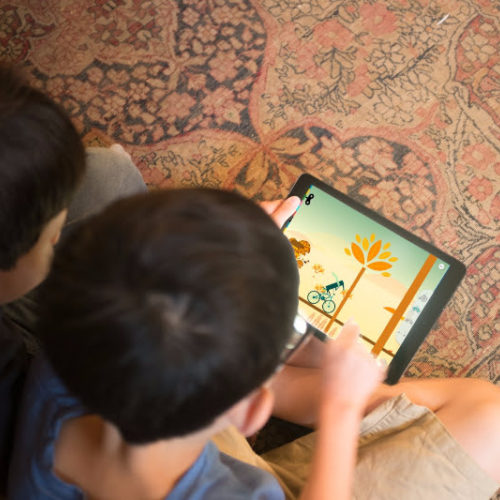
Homes invites children to explore the world around them by visiting different houses in Guatemala, Mongolia, Yemen, and the United States. Each home is unique in structure and style, responding to the people and place where it was built. But, no matter where in the world we live, we all have the same basic needs and enjoy similar activities.

Read more…
Tags:
  • Activity Sheets
  • Homes
red-launch-lymph-node

The Human Body, (RED) + the App Store: Touch hearts. Save lives.

November 24, 2014 by Sara Distin

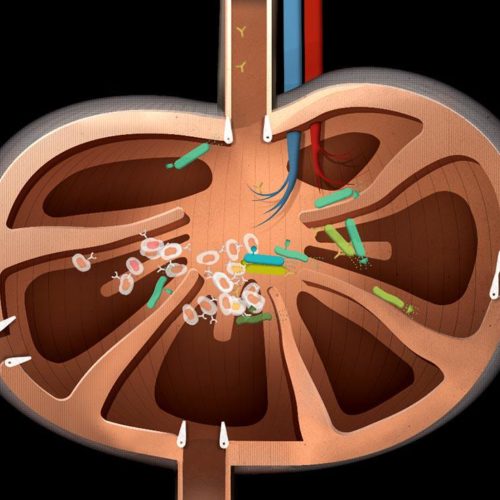
We’re thrilled to be a part of Apps for (RED). Today through December 7th, 2014, 100% of the proceeds from The Human Body — including in-app purchases of the new immune system and urogenital system — will go to (RED)’s fight against AIDS. All (RED) monies go to the Global Fund to fight AIDS, Tuberculosis, and Malaria.

Read more…
Tags:
  • The Explorers Library
  • The Human Body
Screen-Shot-2015-10-28-at-8.34.24-PM

Wriggle & wrinkle: a little video

November 24, 2014 by Sara Distin

The Human Body & Apps for (RED) from Tinybop on Vimeo.

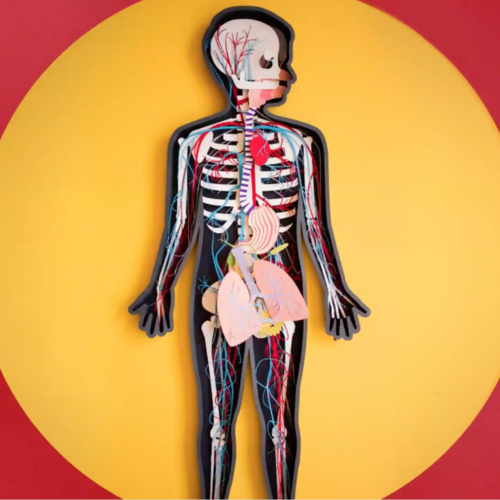
Stop-motion animation maven Kelli Anderson put together this sweet video celebrating The Human Body, in all its bony, heart-beating glory. And we edited this new cut just for Apps for (RED).

Read more…
Tags:
  • The Human Body
  • Video
homes-illustrator-tuesday-bassen-interview-thumbnail

A conversation with Homes illustrator, Tuesday Bassen

November 17, 2014 by Sara Distin

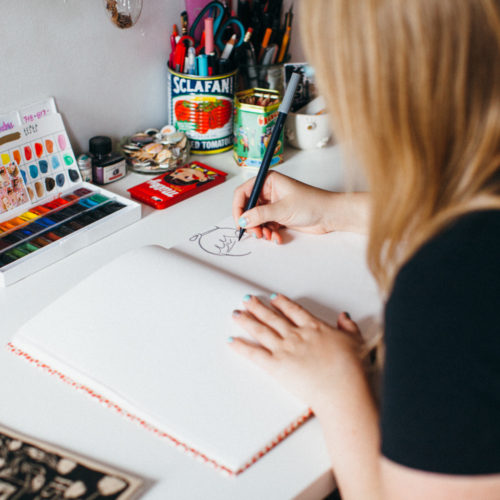
One of the most fun parts of putting an app together is choosing the right artist. For Homes, we were so pleased to work with award-winning illustrator Tuesday Bassen. Tuesday filled each home with joyful, playful, and sometimes, personal details.

Here, she shares a little bit about her own home, her working process, and her inspirations and influences.

Read more…
Tags:
  • Homes
  • Interviews
new-app-homes-travel-round-the-globe-thumbnail

Travel ‘round the globe in our new app, Homes

November 13, 2014 by Sara Distin

We’re so pleased and proud to share: our new app Homes is here!

Read more…
Tags:
  • Homes
  • News
  • The Explorers Library
hq-update-news-links-loves-thumbnail

HQ update: news, links & loves

November 7, 2014 by Sara Distin

It’s been pretty quiet over here but we’ve been bustling behind the scenes in the studio, spinning all our energy into a beautiful new app. The third (!) in the Explorer’s Library is scheduled for release in a few weeks and we can’t wait to share it with you.

In the meantime, here are a few items of note (in case you missed our newsletter) and a little peek at the artwork in the new app.

Read more…
Tags:
  • Plants
  • The Human Body
  • Update
engineering-process-system-dynamics-thumbnail

Engineering process: spinning new worlds from bathtubs

August 21, 2014 by Tina Lee

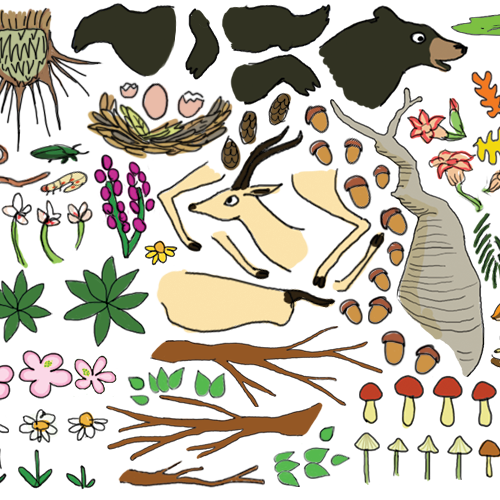
Our green kingdom, Plants, is built from over 3,400 individual plant and critter bits, which translates to over 23,000 lines of code!

Here’s a speedy rundown of how those bits join together: after we collect (and vet!) research, prep illustrations for animation, and get those parts moving, our engineers assemble the whole thing. Their goal is to create a system of logic that mimics real-world behaviors—ensuring scientific accuracy (would a tree sprout along the riverbank? would an animal snack on this plant?) while preserving the spirit of the drawings.

Our engineers keep a lot of plates in the air. We need to set rules, but we also want enough varied scenarios and surprises so that each app’s universe comes alive with a kid’s swipes and pokes.

Happily, we’ve honed a few approaches, which we’ll share from time to time. Today let’s peek behind the screen and talk system dynamics.

System dynamics is a way to model how complicated systems behave over time. Our models spring from the wonders of indoor plumbing: bathtubs. An empty tub corresponds with a default state. As water fills the tub (aka, as time passes within the app), different water levels, or thresholds, spark specific events. You can speed or slow the rate water flows; as the tub drains, you can also assign other actions.
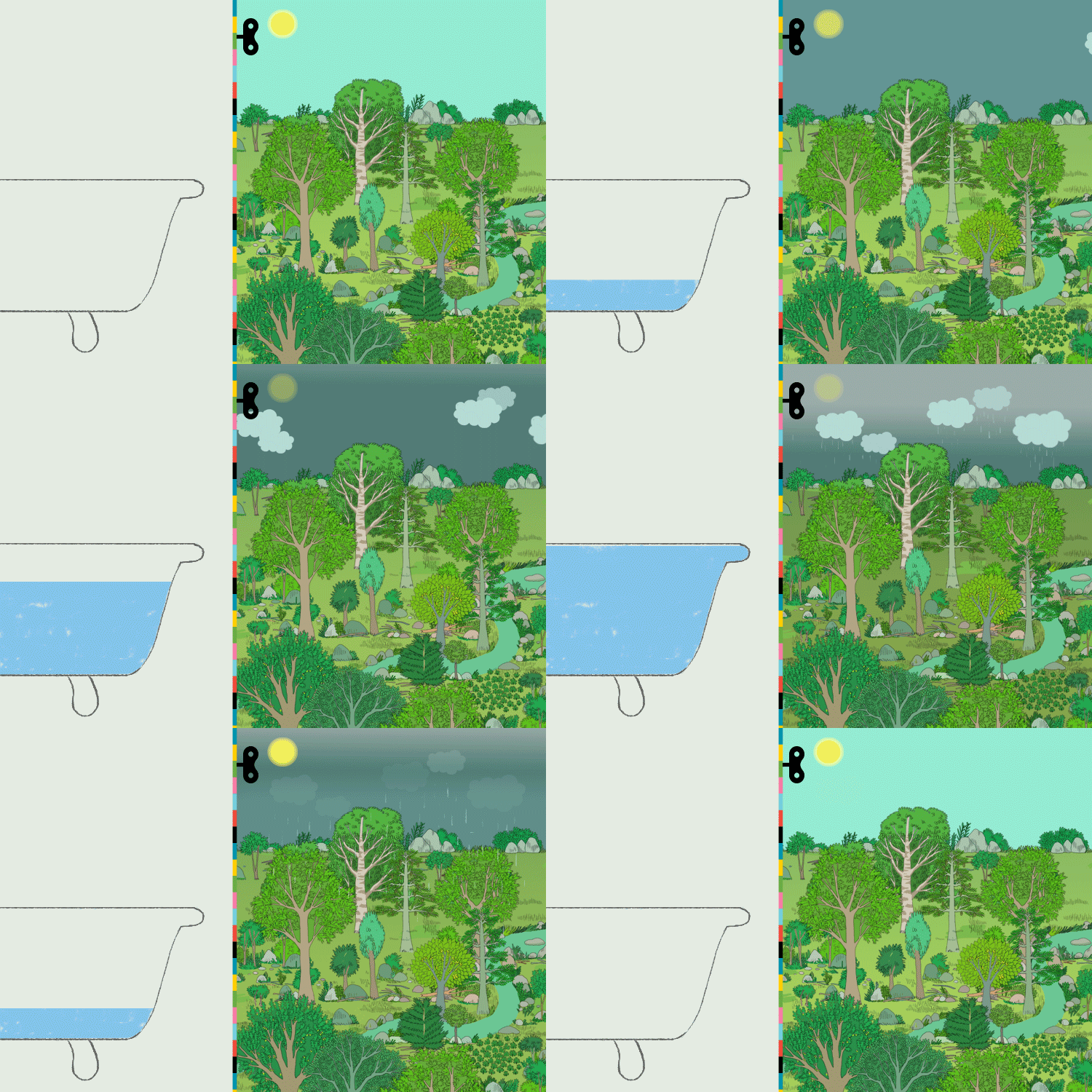
The bathtub idea is how we program weather in Plants. Say our empty tub’s default state is a breezy, sunny forest scene. As water fills, or as time passes, more clouds appear. When the tub is full, it rains! A second tub tracks how heavy the rainstorm is; the fuller the tub, the more thunder rumbles and lightning flashes. Once the first tub drains, or a set amount of time has passed, we return to our calm forest.

The bathtub’s beauty is its flexibility: it’s as simple or complex as you like. You could stick with two main states (empty tub, full tub) or amass a bathhouse for more complicated interactions. For example, two tubs rule the spewing engine in The Human Body. One measures the amount of food sloshing in the stomach and the other tracks fluids (like polka dot soda!) that may offset the urge to purge.

Tending our bathtubs is a subtle science. But as any kid knows—especially those whose action figures live out labyrinthian back stories: the best fictive worlds get the logic—and details!—just so.

Read more…
Screen-Shot-2015-10-28-at-4.42.40-PM

Bonus curios: a mystery you can see and feel

August 19, 2014 by Sara Distin

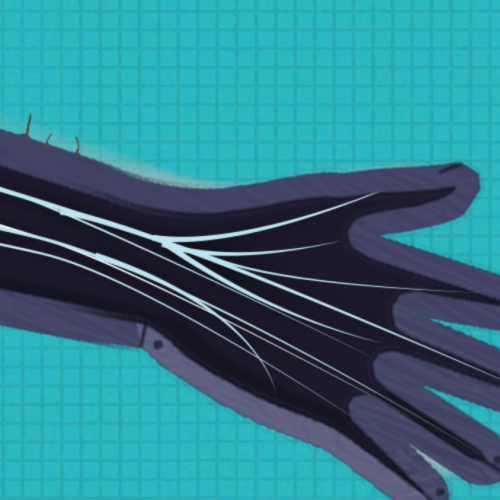
One of the most mysterious systems in the human body actually sends signals you can see all over your skin: goosebumps. Those tiny pins of flesh can rise when you’re suddenly spooked by something, when you hear an inspiring song, or when you’re cold. How do so many different things trigger the same response? And why?

Goosebumps are a reaction of the nervous system, which is responsible for all of your senses; it channels a steady stream of information between your brain and body, interpreting everything you see, hear, smell, taste, and feel. But just why goosebumps appear is traced to something a little less elegant: our animal ancestors.

As George A. Bubenik, a professor of zoology (of course!) explains over on Scientific American: Tiny muscle contractions cause your skin to round up when you get goosebumps; they also make every hair stand straight up. This was useful when we had more fur for a couple reasons. For one, it helped to keep us warmer when cold and, for two, made us look bigger when scared. Next time you see a dog and cat cross paths, watch for the fur on their backs to rise as they size each other up.


A working model of the amazing machines we live in, The Human Body shows what we’re made of and how we work. We’ve created a handbook of hints and insider intelligence for you and your kids. In these posts, we’ll peer into the sometimes-strange truths behind the worlds in our apps.

Read more…
Tags:
  • Bonus Curios
  • The Human Body
Screen-Shot-2015-10-28-at-4.41.31-PM

Bonus curios: a bee’s map to nectar treasure

July 29, 2014 by Tina Lee

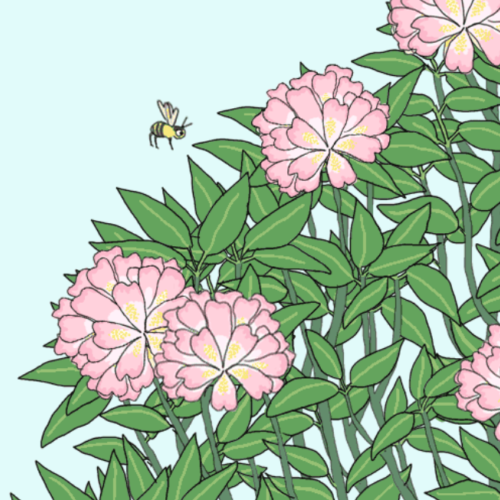
Plants rely on bees to shuttle pollen from male parts to female parts. As bees imbibe nectar, pollen bits stick to their fuzzy legs, hitching a ride to the next bloom. Some flowers, like the rhododendron, point bees to nectar via special markings, called nectar guides.

Our eyes can see some of these patterns—spot the rhododendron’s yellow specks! Others are only visible to bees and insects, whose ultraviolet sight creates giant color contrasts. Scientists speculate that nectar guides help bees remember their favorite flowers and cut the time they spend dowsing for nectar. This means more bee visitors, and more bees increase a plant’s odds of pollination.


An interactive diorama of the earth’s biomes, Plants brims with secrets and surprises—we’ve even made a handbook of hints and fun facts for you and your kids. In these posts, we’ll peer into the sometimes-strange truths behind the worlds in our apps.

Read more…
Tags:
  • Bonus Curios
  • Plants
  • The Explorers Library
Screen-Shot-2015-10-28-at-4.33.41-PM

Bonus curios: frog mucus bunkers & desert rain

July 17, 2014 by Ashley Mannetta

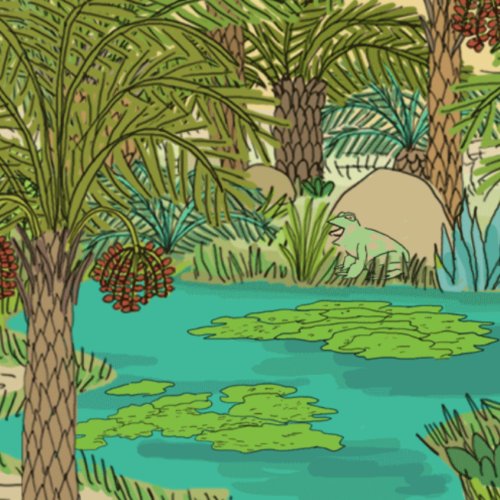
Frogs generally need water to survive and reproduce, yet some species live in areas of the desert with little surface water and scant rainfall. These amphibians’ secret to survival is a mix of incredible adaptations and serious patience.

During dry stretches, desert frogs dig deep and bury themselves in the dampest mud they can find. Some will secrete a layer of mucus around the edges of their burrow. The mucus hardens and protects the moist frog from drying up. Once their burrow is in order, frogs aestivate, falling into a dormant state similar to hibernation.

Desert frogs can wait up to three years for rain. When it falls, they surface, enjoying a swim in ephemeral rainwater pools and overflowing oases topped with fresh blooms of tasty algae. They quickly eat, mate, and lay their eggs before the water evaporates. Then they return to their underground lairs to wait, again, for rain.


An interactive diorama of the earth’s biomes, Plants brims with secrets and surprises—we’ve even made a handbook of hints and fun facts for you and your kids. In these posts, we’ll peer into the sometimes-strange truths behind the worlds in our apps.

Read more…
Tags:
  • Bonus Curios
  • Plants
  • The Explorers Library
  • Newer
  • Older